
Why Fire Safety Matters to Insurers
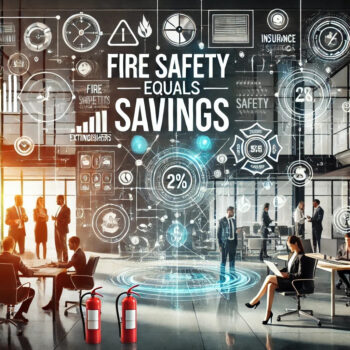
Insurance providers determine premiums based on their assessment of your business’s level of risk. Factors such as the likelihood of fire incidents, the potential severity of damage, and your ability to mitigate risks all influence the cost of coverage. A higher risk profile translates to higher premiums, while proactive safety measures, regular maintenance, and compliance with fire safety regulations can significantly reduce these costs.
By addressing fire safety comprehensively—through

The Impact of the 3 Keys to Fire Safety on Insurance Premiums
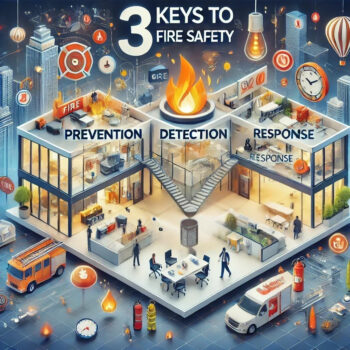
Implementing the 3 Keys to Fire Safety—
By proactively addressing each key area, you demonstrate responsibility, compliance, and a commitment to protecting your employees, assets, and operations. Insurers value businesses that prioritize safety, often rewarding such efforts with lower premiums and more favorable terms. This not only safeguards your business but also results in significant cost savings that can be reinvested into further strengthening your fire safety strategy.

PREVENTION
Reducing Risk at the Source
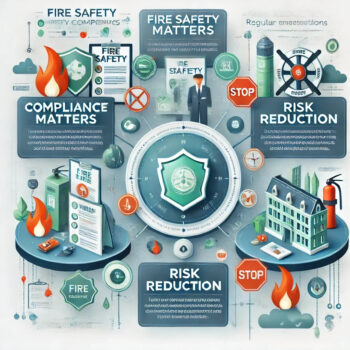
Adhering to fire safety regulations is more than just a legal requirement—it demonstrates your commitment to creating a safe and secure environment for everyone. Compliance reduces liability by ensuring your business meets stringent safety standards, which provides peace of mind for insurers.
Regular inspections and proactive hazard mitigation further lower the probability of fire incidents, showcasing your dedication to risk reduction. Insurers appreciate this level of preparedness, as it decreases the likelihood of costly claims.
Additionally, investing in eco-friendly systems highlights your alignment with sustainability and long-term risk management practices. These actions not only benefit the environment but also show insurers that you prioritize both safety and responsibility.

DETECTION
Early Intervention Minimizes Damage
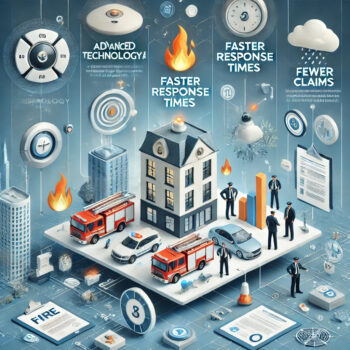
Modern fire detection systems leverage cutting-edge technology to identify risks before they escalate. These systems provide real-time alerts, allowing for immediate action and preventing minor issues from becoming major incidents. By investing in advanced detection technology, you not only protect your business but also reassure insurers that you are actively mitigating fire-related risks.
Early detection plays a critical role in minimizing damage. Quick alerts enable faster emergency responses, reducing the severity of incidents and the time needed for recovery. Insurers value this level of preparedness, as it directly correlates with lower costs and downtime.
With effective detection systems in place, the frequency and severity of claims decrease significantly. This makes your business a more attractive and reliable client for insurers, potentially leading to better premium rates and terms.

RESPONSE
Faster Recovery, Lower Costs
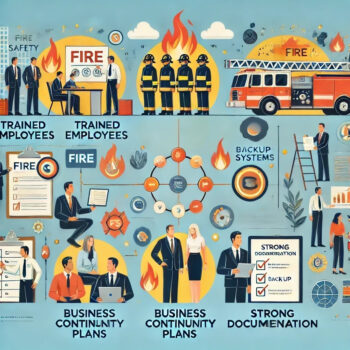
Having a well-trained team is critical during fire emergencies. Employees who are educated in fire safety protocols can respond quickly and effectively, reducing the impact of incidents. Their preparedness ensures that evacuation processes are smooth, risks are mitigated, and damages are minimized. Insurers view trained staff as a significant asset, as they reduce the likelihood of severe claims.
Robust business continuity plans are essential for minimizing downtime and financial losses after a fire incident. These strategies ensure that critical operations can resume quickly, protecting your revenue and reputation. Insurers value businesses with continuity plans as they demonstrate proactive planning and resilience.
Detailed response protocols and records of regular fire drills show your commitment to fire safety. Insurers appreciate such preparedness, as it reduces risk and increases confidence in your ability to handle emergencies effectively. This often results in better premium rates and terms.